BIG DATA and Deloitte Taiwan Drive Real-World AI Adoption with a Focus on Human-AI Collaboration and Corporate Governance
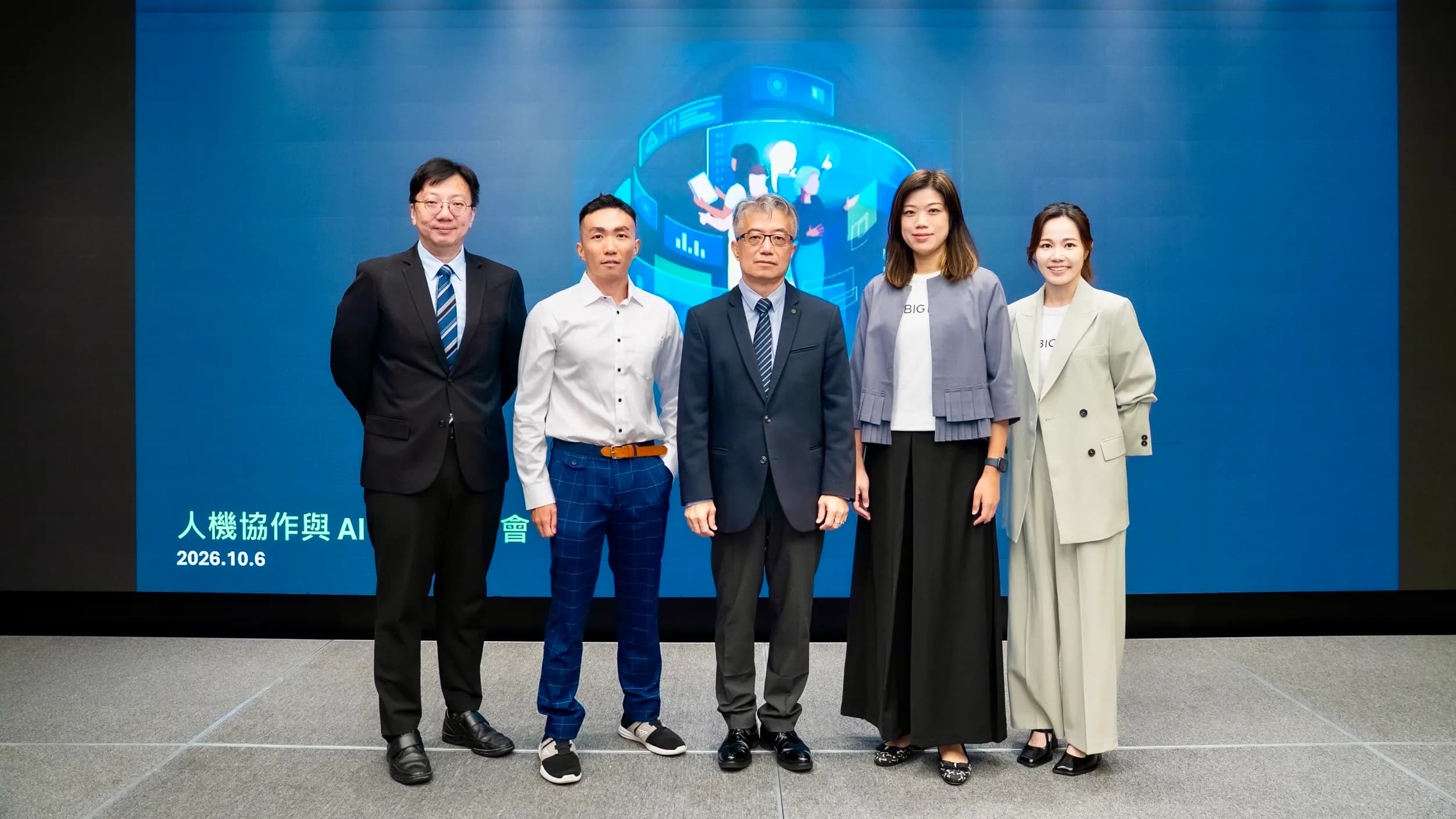
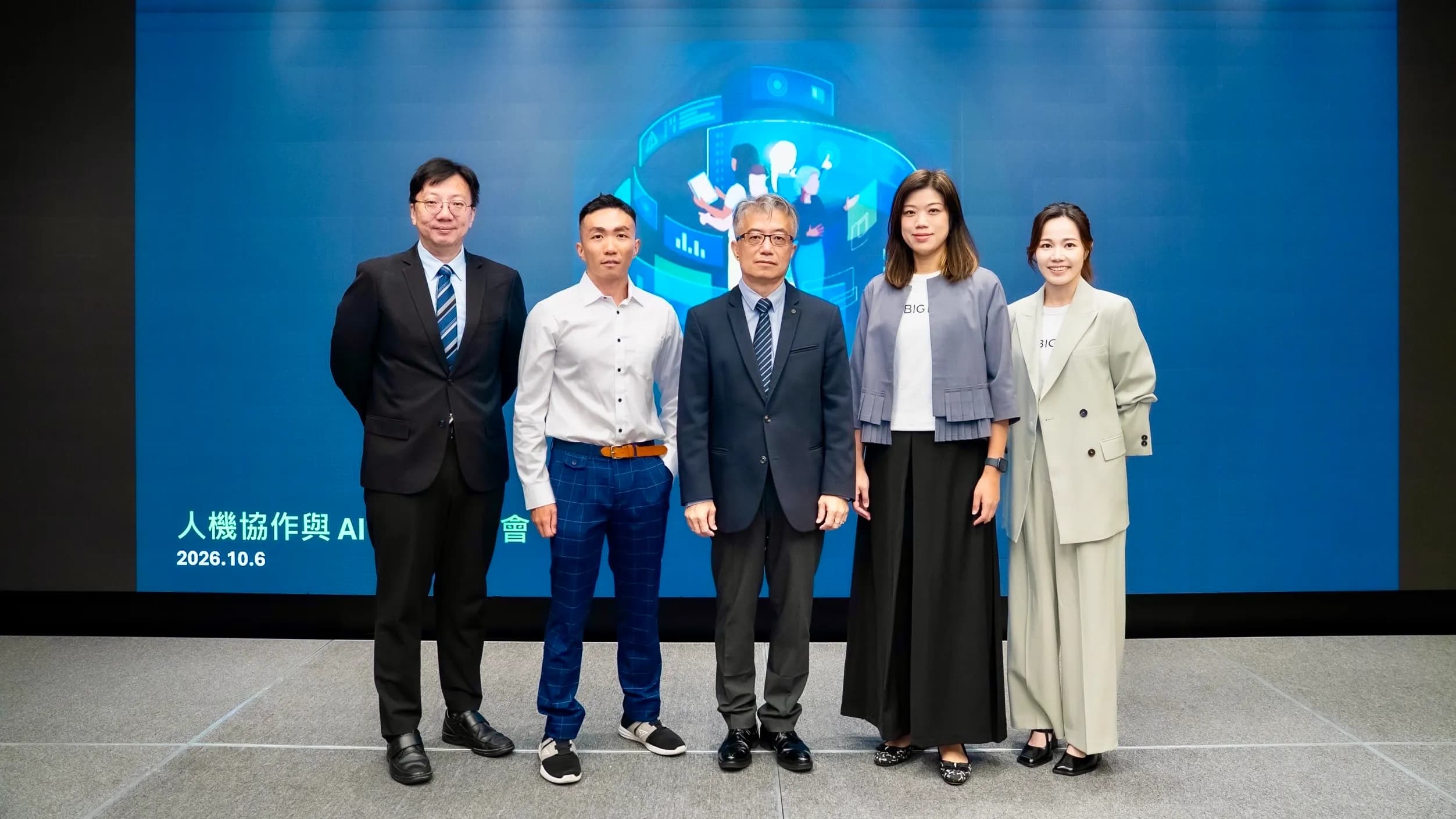
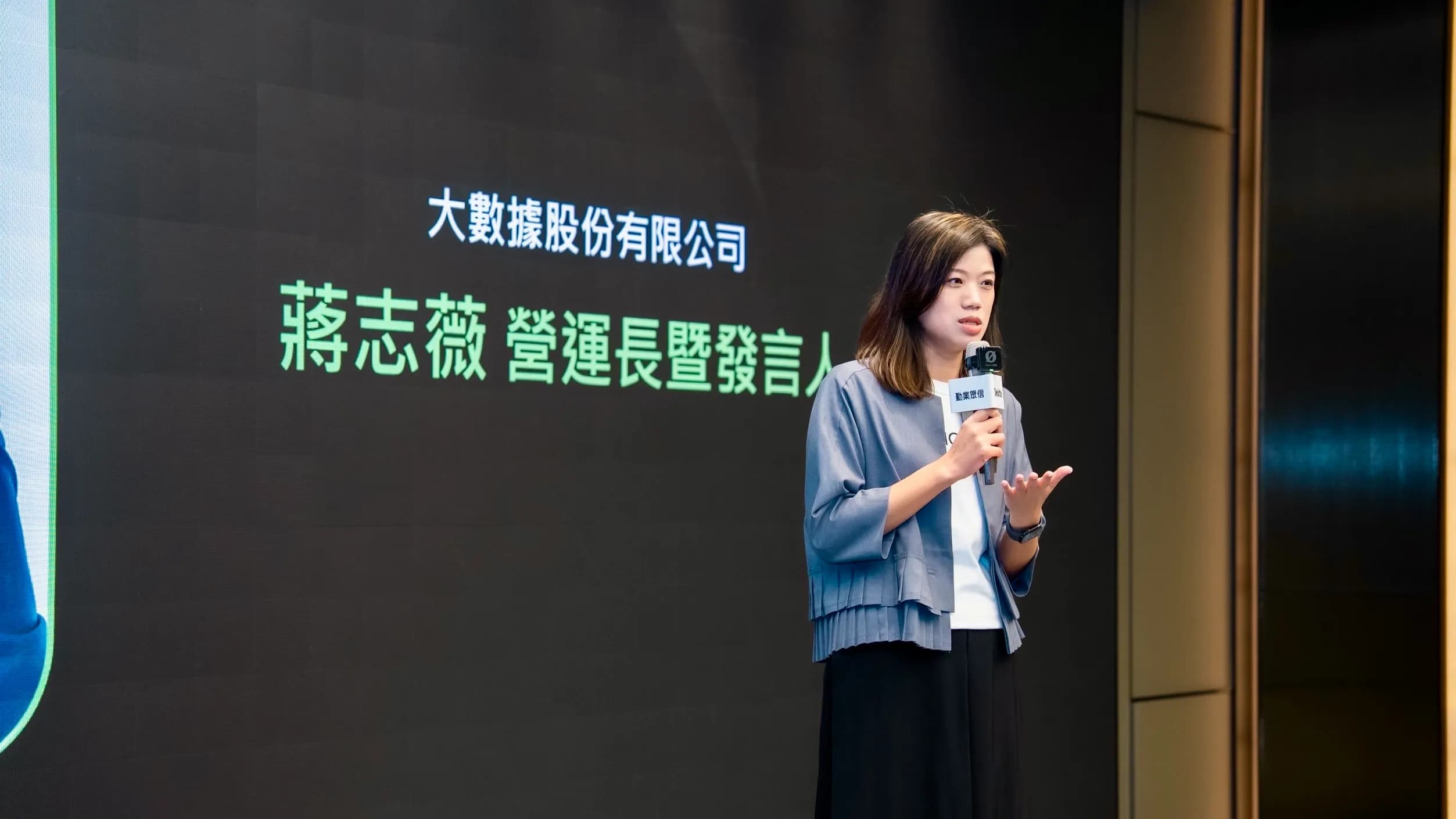
As generative AI evolves from content generation and information retrieval toward Agentic AI capable of executing tasks autonomously, the challenges of enterprise AI adoption have extended beyond the use of individual tools to the integration of existing data, the redesign of workflows, and organizational governance. BIG DATA Co., Ltd. (BIG DATA), Taiwan's leading data technology company, recently co-hosted the "Human-AI Collaboration and AI Governance Seminar" with Deloitte Taiwan. The event brought together a representative from NVIDIA and Shu-Kai S. Fan, Dean of the College of Management at National Taipei University of Technology, to discuss AI Agent technology development, enterprise applications, and risk management, exploring how businesses can build AI operating models that balance efficiency, security, and governance, and move AI from proof of concept (PoC) to real-world deployment. Tomm Chiang, Executive Vice President of Deloitte Taiwan, noted that AI governance must be embedded into AI lifecycle management in order to effectively reduce operational and compliance risks, and to further evolve AI from an efficiency tool into a key partner driving business transformation and sustainable growth. Weiwei Chiang, COO of BIG DATA, stated, "The end goal of AI adoption is not simply having one more AI tool, but truly turning AI into an organizational capability. If AI cannot be integrated with internal knowledge, business logic, and existing systems, it will struggle to enter core operational processes. What enterprises need is an intelligent partner that understands organizational knowledge, follows permissions and operating procedures, and helps complete tasks under human supervision. This is the core of BIG DATA's development of KEYLM and its services."
Enterprise AI Evolves from Tool to "Corporate Second Brain": KEYLM Integrates Knowledge and Workflows
To address challenges such as scattered internal information, difficulties in knowledge transfer, and cross-departmental collaboration, BIG DATA independently developed KEYLM, an enterprise knowledge AI agent platform that helps businesses integrate information scattered across documents, databases, and various business systems, building an enterprise knowledge foundation that AI can understand and use. Compared with general-purpose AI applications that rely primarily on public information as their knowledge source, KEYLM places greater emphasis on proprietary enterprise data, business contexts, and permission management. It enables employees to search for information, organize content, and handle work tasks based on internal organizational knowledge, reducing the operational burden caused by fragmented information or knowledge gaps.
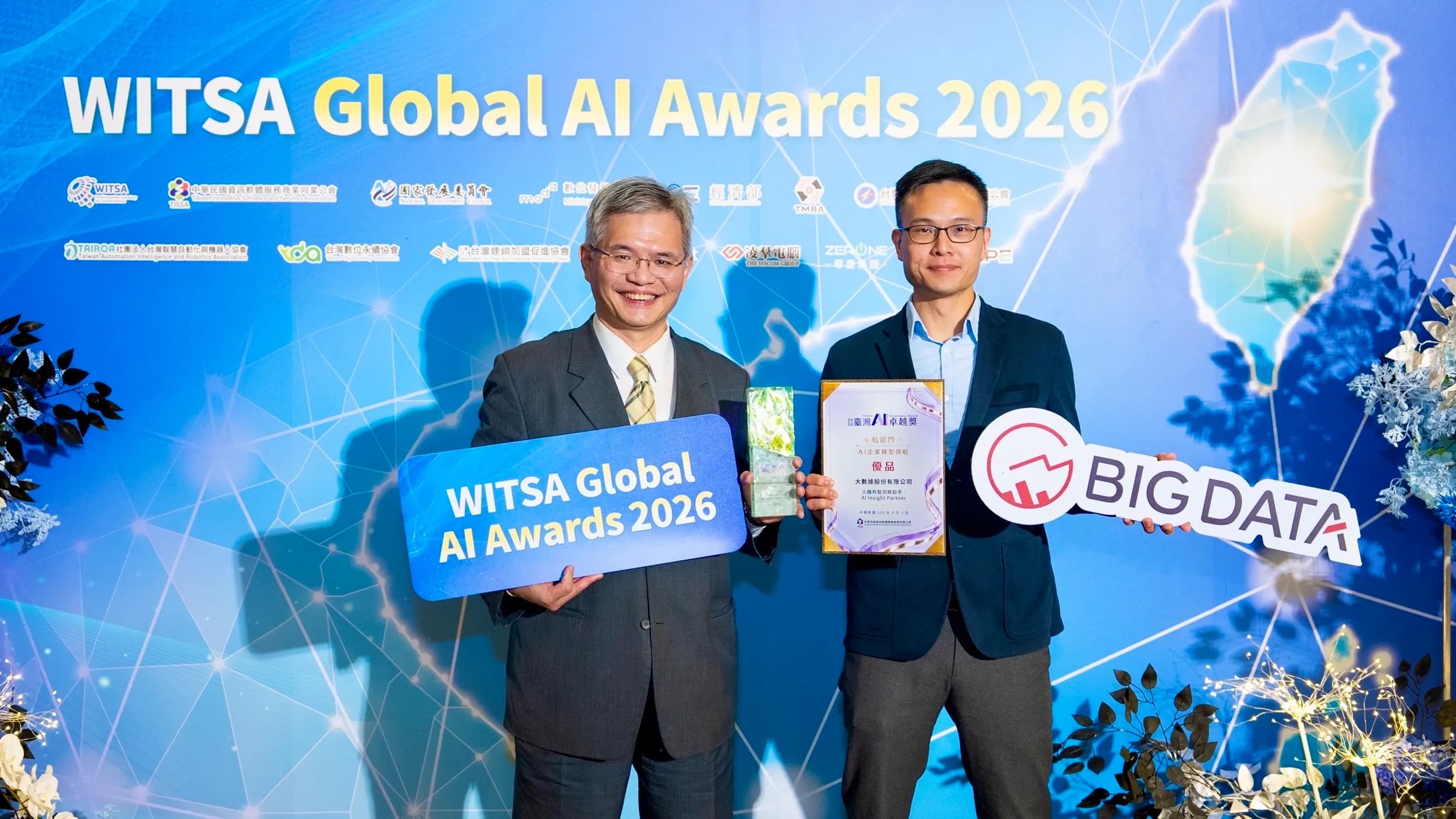
On the technology front, BIG DATA continues to deepen its Traditional Chinese semantic understanding capabilities. Through its proprietary domain language model, BIG10, and related semantic technologies, the company strengthens AI's understanding of Taiwan's local terminology, industry-specific terms, and enterprise knowledge, and designs AI application architectures tailored to each enterprise's data security and deployment requirements. KEYLM was also recently recognized with The WITSA Global Award for AI Entrepreneurship at the WITSA Global AI Awards 2026, demonstrating BIG DATA's achievements in enterprise AI research, development, and application.
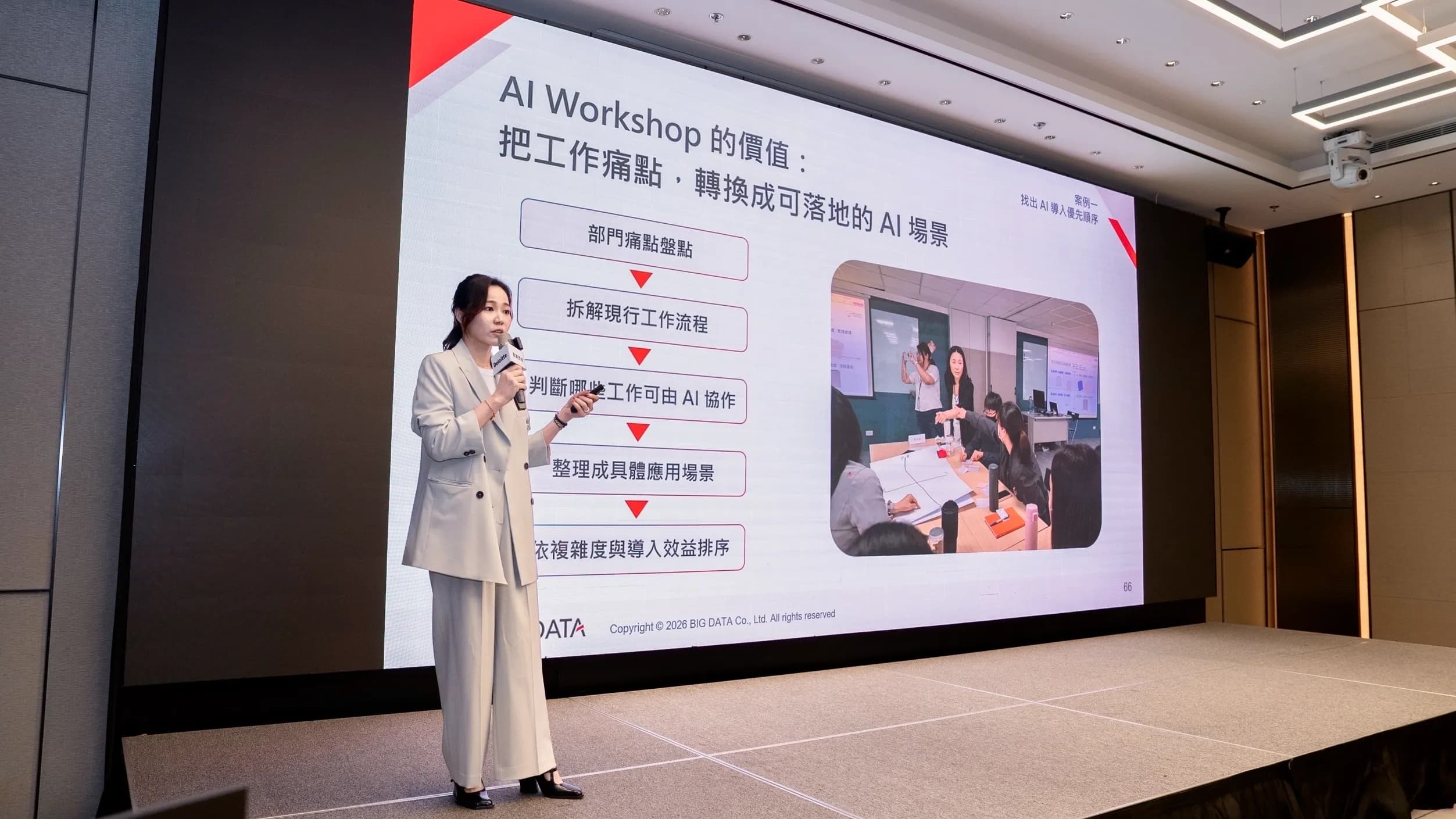
Yu-Ting Yuan, Director of the Innovation Marketing Department at BIG DATA, said that through AI Workshop diagnostics and interviews with companies across various industries, the team found that most businesses do not lack information or experience. The real problem is that this knowledge is scattered across different documents and systems, and even in the minds of senior employees, making it difficult to search, integrate, and pass on effectively. At the same time, although some companies have already adopted AI tools, they have not clearly defined their use cases, resulting in a gap between the technology and actual work needs.
Yuan further pointed out that enterprises should assess their needs along two dimensions: task frequency and complexity. They should prioritize high-frequency, standardized tasks with easily verifiable outcomes, such as data queries, meeting minutes, and routine reporting, to gradually build adoption experience before expanding to workflows that require cross-system collaboration and professional judgment. BIG DATA has also helped companies in industries such as healthcare and cultural and creative sectors explore operational process optimization, enterprise knowledge management, and digital asset applications, designing AI solutions around actual business needs rather than simply pursuing the adoption of more AI tools.